

Better Ways to Parent the “Anxious Generation”
Why showing up and interpersonal skills are critical to counteract the screen focused generations…
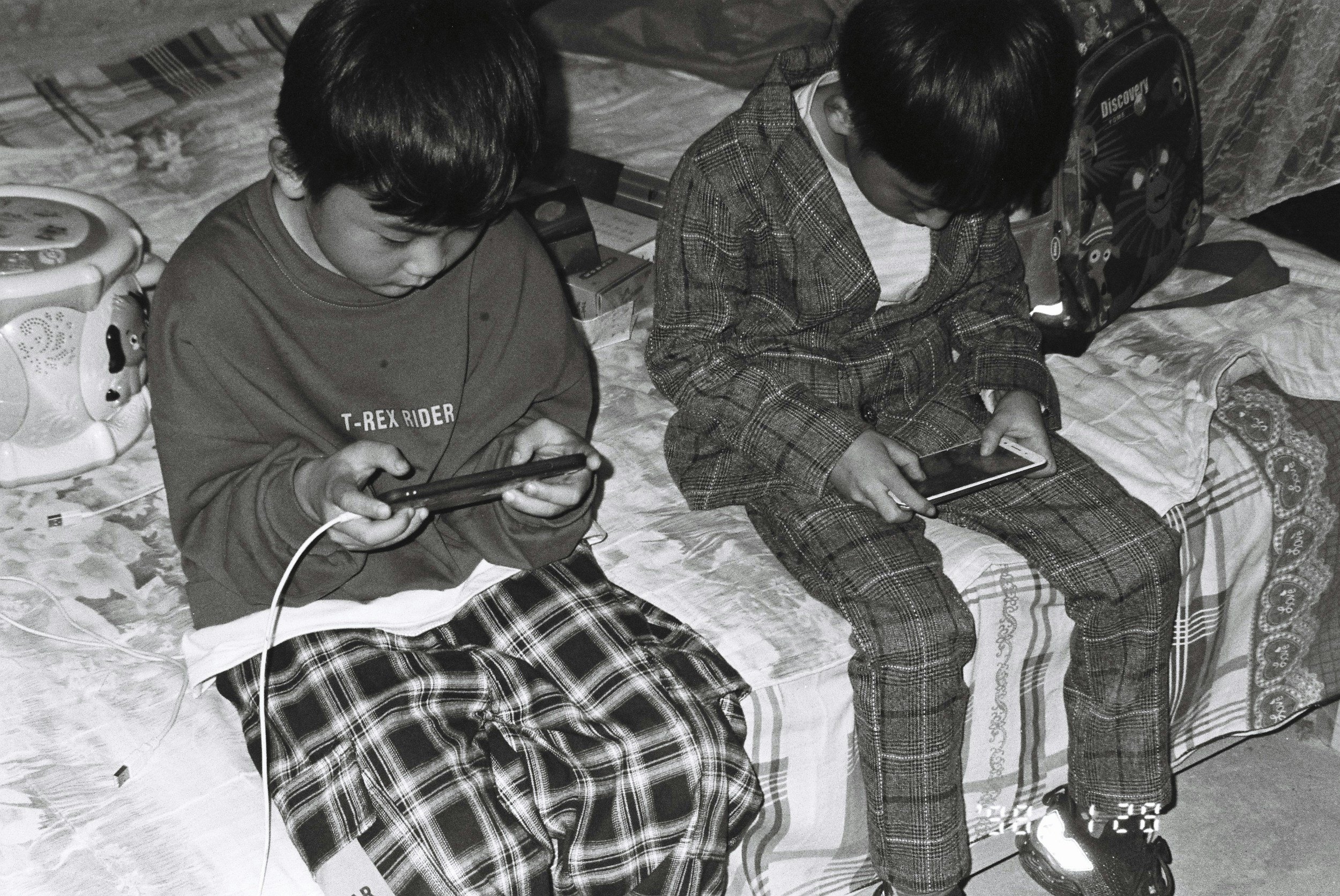
Parenting in the Age of Screens: Finding Balance and Showing Up
Parenting has always been a challenging journey, but the advent of the digital age has introduced unprecedented complexities. As screens become intertwined with nearly every aspect of our lives, parents face a unique dilemma: how to navigate the benefits of technology while mitigating its potential harms on their children. Two leading voices in child development and social psychology, Jonathan Haidt and Daniel Siegel, offer crucial insights and practical guidance for parents wrestling with this modern-day challenge.
Jonathan Haidt, social psychologist at New York University and author of The Anxious Generation, sheds light on a disconcerting trend: a significant rise in anxiety, depression, and self-harm among adolescents, particularly since the early 2010s. Haidt attributes a significant portion of this mental health crisis to the proliferation of smartphones and social media, which took hold precisely during this timeframe.
While not denying the positive aspects of technology, Haidt argues that the hyper-connected, comparison-driven nature of social media platforms can have detrimental effects on young minds, particularly adolescent girls. The constant feed of curated, idealized lives can fuel feelings of inadequacy and low self-esteem. Furthermore, the algorithmic design of these platforms can be highly addictive, competing for children's attention and displacing activities crucial for healthy development, such as sleep, in-person social interaction, and physical play.
Haidt’s research emphasizes the importance of understanding the developmental stages of childhood and how screen time can impact them differently. While younger children may be more susceptible to the displacement of essential activities like imaginative play and face-to-face interaction, adolescents face unique challenges related to social comparison and online bullying.
This is where the work of Daniel Siegel, a clinical professor of psychiatry at UCLA and co-author of The Power of Showing Up, provides a vital counterweight. While Haidt highlights the potential dangers of screens, Siegel focuses on the single most important factor for fostering resilience and emotional well-being in children: showing up. According to Siegel and co-author Tina Payne Bryson, "showing up" means providing a consistent presence that makes your child feel Safe, Seen, Soothed, and Secure (the "Four S's"). It's not about being perfect, but about being reliably present, both physically and emotionally, even in difficult moments.
In the context of the screen age, Siegel's message is more critical than ever. Here's why:
1. Screens can be a barrier to connection. When parents are constantly distracted by their own devices, they miss opportunities to connect with their children on a deeper level. Showing up requires putting down our phones and being fully present with our children, offering eye contact, undivided attention, and genuine curiosity about their thoughts and feelings. This non-distracted presence is essential for building a secure attachment, the foundation for a child's confidence and resilience.
2. Screens can offer a superficial sense of connection. While technology can facilitate communication, it cannot replace the depth and nuance of in-person interaction. Video calls and text messages are valuable tools, but they lack the non-verbal cues and physical warmth crucial for emotional regulation and social-emotional development. Showing up involves creating space for shared activities and conversations, allowing for authentic connection and genuine emotional exchange.
3. Showing up helps children navigate the digital world safely. When parents have a strong, secure connection with their children, children are more likely to turn to them when they encounter challenges online, such as cyberbullying, exposure to inappropriate content, or pressure to conform. By showing up and fostering open communication, parents can guide their children through the complexities of the digital landscape, helping them develop critical thinking skills and healthy digital habits.
4. The "Four S's" provide a framework for setting healthy boundaries around technology.
Safe: Ensuring children's online experiences are age-appropriate and free from harm. This may involve using parental control software, educating children about online safety, and encouraging open dialogue about their digital experiences.
Seen: Validating children's feelings and experiences, both online and offline. Listening actively to their thoughts and concerns without judgment, and helping them develop a healthy sense of self-worth that isn't dependent on online validation.
Soothed: Helping children manage the stress and anxiety that can accompany screen time. Encouraging regular breaks, promoting other activities that build resilience, and modeling healthy emotional regulation.
Secure: Building a secure attachment that provides children with a safe harbor from the challenges of the digital world. Consistent showing up fosters a sense of being understood and loved unconditionally, equipping them with the emotional tools to navigate life's ups and downs.
The key to navigating the screen age is not about completely banning technology, but about finding a healthy balance that prioritizes connection. This requires parents to be intentional about their own device use, modeling the behavior they want to see in their children. It means creating screen-free zones and times, like family meals and the hour before bed, and prioritizing shared activities that foster genuine connection.
Parenting in the digital age is an ongoing process of adaptation and discovery. Jonathan Haidt's insights on the potential harms of screens underscore the need for vigilance and thoughtful management, while Daniel Siegel's emphasis on the power of showing up provides a powerful antidote, reminding us that authentic connection is the single most important factor for raising thriving, resilient children in a complex world. By focusing on the "Four S's" and making a conscious effort to be present, parents can help their children navigate the digital landscape with confidence and build the strong foundations needed for a fulfilling and emotionally healthy life.
Tara Trebesch Integrative Health & Psychotherapy
Park City, Utah
www.taratrebesch.com
