

The GutBrain Axis How Microbiome Diversity Influences ADHD and Anxiety
Explore the science behind gut microbiome diversity and its impact on attention, hyperactivity, and anxiety, and discover practical steps to nurture a brain‑supporting gut.
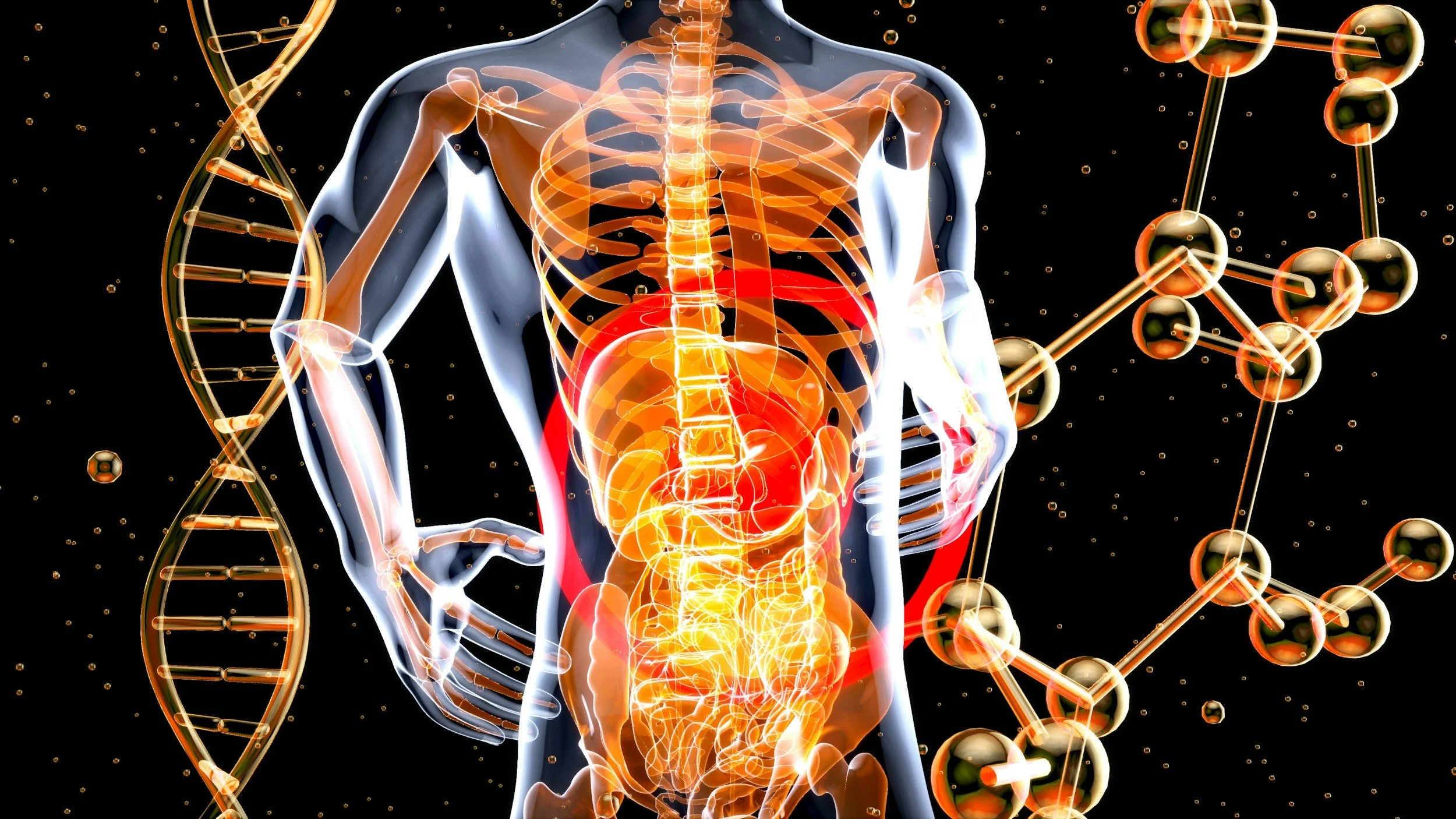
Brain/gut axis connection
For decades, mental‑health practitioners focused on the brain alone. Recent research, however, reveals a two‑way conversation between the gut and the brain—a relationship known as the gut‑brain axis. The trillions of microorganisms residing in our intestines (the microbiome) produce neurotransmitters, modulate inflammation, and influence the nervous system. This connection is especially relevant for conditions such as ADHD and anxiety, where dysbiosis (an imbalance of gut bacteria) appears to exacerbate symptoms.
How the Gut Communicates With the Brain
Vagus Nerve: Direct electrical pathways transmit signals from the gut to the brainstem.
Microbial Metabolites: Short‑chain fatty acids (SCFAs) like butyrate, propionate, and acetate influence blood‑brain barrier integrity and neuroinflammation.
Neurotransmitter Production: Certain gut bacteria synthesize GABA, serotonin, dopamine, and norepinephrine—key players in attention and mood regulation.
Microbiome Patterns Linked to ADHD and Anxiety
Studies comparing gut samples from children and adults with ADHD or anxiety to neurotypical controls consistently find:
Reduced overall bacterial diversity (lower alpha‑diversity).
Lower levels of Prevotella and Bifidobacterium, genera associated with SCFA production.
Higher abundance of Clostridia and certain gram‑negative bacteria that can trigger low‑grade inflammation.
These shifts can lead to increased production of pro‑inflammatory cytokines, which have been linked to heightened stress responses and impaired executive function—core challenges in ADHD and anxiety.
Practical Strategies to Boost Microbial Diversity
1. Embrace a High‑Fiber, Plant‑Rich Diet
Fiber acts as fuel for beneficial bacteria. Aim for at least 25‑30 grams of fiber daily from sources such as:
Leafy greens (spinach, kale)
Root vegetables (sweet potatoes, carrots)
Whole grains ( oats, quinoa, brown rice)
Legumes (lentils, black beans, chickpeas)
2. Include Fermented Foods for Live Cultures
Foods that contain natural probiotics help repopulate the gut with beneficial strains:
Greek yogurt or kefir (look for “live and active cultures”)
Sauerkraut, kimchi, and fermented vegetables
Miso soup and tempeh
3. Consider Targeted Prebiotic Supplements
Prebiotics such as inulin, resistant starch, and fructooligosaccharides (FOS) selectively nourish Bifidobacteria and Lactobacillus. A daily supplement (3‑5 g) can support diversity, especially during periods of high stress.
4. Limit Foods That Disrupt the Microbiome
Excessive refined sugars, artificial sweeteners, and high‑fat processed foods can reduce bacterial richness and promote the growth of opportunistic pathogens.
5. Lifestyle Practices that Support Gut Health
Regular Physical Activity: Exercise increases SCFA production and overall microbial diversity.
Adequate Sleep: Sleep deprivation alters the diurnal rhythm of gut bacteria, impairing the gut‑brain communication loop.
Stress Management: Mindfulness, yoga, and deep‑breathing reduce cortisol, which can otherwise increase gut permeability (“leaky gut”).
When to Consider Professional Intervention
If dietary changes alone do not alleviate ADHD or anxiety symptoms, I sometimes may recommend a micronutrient test or a stool analysis to identify specific imbalances. Tailored probiotic blends—often containing strains like Bifidobacterium longum or Lactobacillus rhamnosus—can also be used to target neuro‑inflammatory pathways.
Integrating Gut Health Into Your Therapy Plan
At Integrative Health & Psychotherapy of Park City, we combine evidence‑based psychotherapy with mental health therapy as well as holistic lifestyle coaching. Clients receive personalized nutrition check‑ins, gut‑friendly recipes, and strategies for managing stress—creating a synergistic approach that addresses both mind and body.
Optimizing your microbiome is not a quick fix, but a sustainable pathway to improved attention, reduced anxiety, and greater emotional regulation.
