

Perimenopause, Hormones, and Mood: How Diet and Lifestyle Can Restore Balance
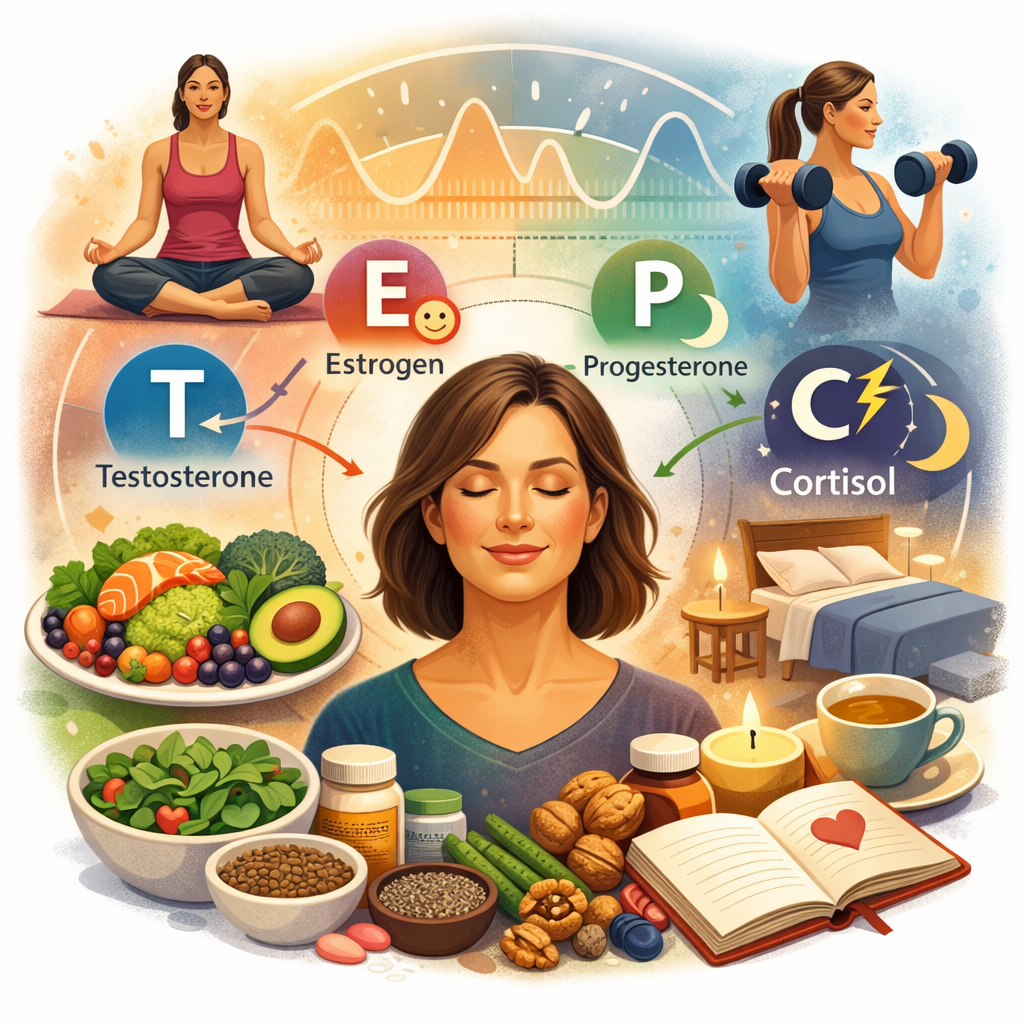
Are you finding yourself in your mid to late 40’s and noticing changes in mood, sleep, cycle, and weight? This period (Pun intended) catches us all by surpirse, and yet it is a critical time to focus on health for a smooth transition.
Perimenopause is a dynamic neurological and metabolic transition. During this phase, hormones fluctuate unpredictably rather than steadily decreasing, and these shifts can profoundly affect mood, cognition, sleep, and emotional regulation.
Many women describe feeling “not like themselves,” experiencing anxiety, irritability, low motivation, brain fog, or sudden waves of sadness. These changes are not imagined. They reflect the powerful interaction between hormones, the brain, inflammation, and the nervous system.
Understanding how hormones fluctuate — and how to support them through nutrition and lifestyle — can transform perimenopause from a destabilizing experience into a deeply regulating and empowering transition.
The Monthly Hormone Rhythm — Even in Perimenopause
Although cycles may become irregular, many women still experience hormonal patterns across the month. What changes is the intensity and unpredictability of hormone surges and drops, especially estrogen and progesterone.
Estrogen: The Amplifier
Estrogen is often associated with vitality, focus, and emotional openness.
When estrogen rises:
Mood and motivation often improve
Verbal fluency and creativity increase
Serotonin and dopamine activity are enhanced
When estrogen fluctuates rapidly:
Anxiety can increase
Sensory sensitivity may rise
Emotional reactivity may feel stronger
Estrogen supports serotonin signaling and brain glucose metabolism. Sudden drops — which are common in perimenopause — can feel like an emotional “crash,” leading to irritability or low mood.
Progesterone: The Nervous System Regulator
Progesterone is sometimes called the body’s natural calming hormone. It enhances GABA activity in the brain, helping promote relaxation and sleep.
When progesterone is adequate:
Nervous system regulation improves
Sleep quality tends to be better
Emotional resilience increases
When progesterone declines (common in perimenopause):
Women may feel wired but exhausted
Sleep disruptions increase
Anxiety or overwhelm can intensify
Because ovulation becomes less consistent in perimenopause, progesterone often drops earlier than estrogen — creating a state of relative estrogen dominance, which can heighten mood swings.
Testosterone: Motivation and Drive
Though often overlooked, testosterone plays a role in energy, confidence, and mental clarity.
Balanced levels may support:
Assertiveness and motivation
Libido
Physical vitality
Lower levels may contribute to:
Fatigue
Reduced confidence
Brain fog
Cortisol: The Stress Hormone That Interacts With All Others
Cortisol is not a reproductive hormone, but it strongly influences hormonal balance. Chronic stress disrupts the hypothalamic-pituitary-adrenal (HPA) axis, which communicates directly with the reproductive system.
When cortisol remains elevated:
Progesterone may be “stolen” to produce stress hormones
Blood sugar instability increases mood volatility
Sleep disturbances worsen hormonal imbalance
Supporting cortisol regulation is often the missing piece in stabilizing mood during perimenopause.
Why Mood Feels Less Stable During Perimenopause
Hormones are deeply intertwined with neurotransmitters and inflammation.
Fluctuating estrogen affects:
Serotonin (mood stability)
Dopamine (motivation)
Acetylcholine (focus and memory)
Meanwhile, shifts in metabolism, insulin sensitivity, and gut health can increase neuroinflammation — amplifying emotional reactivity.
From an integrative perspective, perimenopause is not just hormonal; it is a neuroendocrine and metabolic recalibration.
Diet Strategies to Support Hormonal Mood Stability
Nutrition can act as a powerful stabilizer by supporting blood sugar balance, reducing inflammation, and supporting neurotransmitter production.
1. Prioritize Blood Sugar Regulation
Stable glucose levels help prevent mood swings and cortisol spikes.
Focus on:
Protein at every meal
Fiber-rich vegetables
Healthy fats (olive oil, avocado, nuts)
Minimizing refined sugar and processed carbohydrates
Blood sugar swings often mimic hormonal anxiety — stabilizing meals can reduce emotional volatility.
2. Support Estrogen Metabolism
The liver and gut help process estrogen efficiently.
Helpful foods include:
Cruciferous vegetables (broccoli, arugula, cauliflower)
Flaxseed and chia
High-fiber plant foods
These foods support detoxification pathways that prevent estrogen from becoming overly stimulating to the nervous system.
3. Nourish the Brain With Anti-Inflammatory Fats
Omega-3 fatty acids support mood regulation and reduce neuroinflammation.
Consider:
Wild salmon
Sardines
Walnuts
Algae-based omega-3 sources
Inflammation can magnify hormonal mood shifts — reducing it often leads to noticeable emotional steadiness.
4. Support Progesterone Through Minerals and Micronutrients
Magnesium, zinc, and vitamin B6 help regulate neurotransmitters and promote relaxation.
Foods rich in these nutrients include:
Pumpkin seeds
Dark leafy greens
Lentils
Bananas
Lifestyle Practices That Regulate Hormones and Mood
Diet alone is not enough. Hormones respond to nervous system input, sleep, and emotional processing.
Strength Training and Movement
Resistance training improves insulin sensitivity and supports hormonal resilience. Even 2–3 sessions per week can stabilize mood and energy.
Sleep as Hormone Medicine
Deep sleep supports progesterone balance and cortisol regulation. Consistent bedtime routines and reducing evening light exposure can improve sleep architecture.
Nervous System Regulation
Practices like breathwork, mindfulness, or somatic therapies help calm the HPA axis, reducing hormonal volatility.
Emotional Processing and Connection
Perimenopause often coincides with major life transitions. Relational support, therapy, or group work can help integrate emotional shifts rather than suppress them.
Reframing Perimenopause: A Neurobiological Transition, Not a Breakdown
Perimenopause is frequently framed as loss — loss of fertility, youth, or stability. Yet many women emerge from this transition with greater clarity, authenticity, and emotional depth.
When supported through:
nutrient-dense food,
intentional lifestyle rhythms,
and nervous system regulation,
the hormonal fluctuations of perimenopause can become less destabilizing and more transformative.
Rather than fighting the body, the goal becomes working with the intelligence of hormonal cycles — honoring the natural ebb and flow while providing the brain and body the support they need to remain grounded.
📍 Tara Trebesch, Therapist, CN, IHP, CFA
Integrative Health & Psychotherapy
Park City, Utah | taratrebesch.com
