

Keeping Your Mind Sharp: How Mental Activity May Help Prevent Dementia
New research reveals the powerful connection between cognitive engagement and brain health
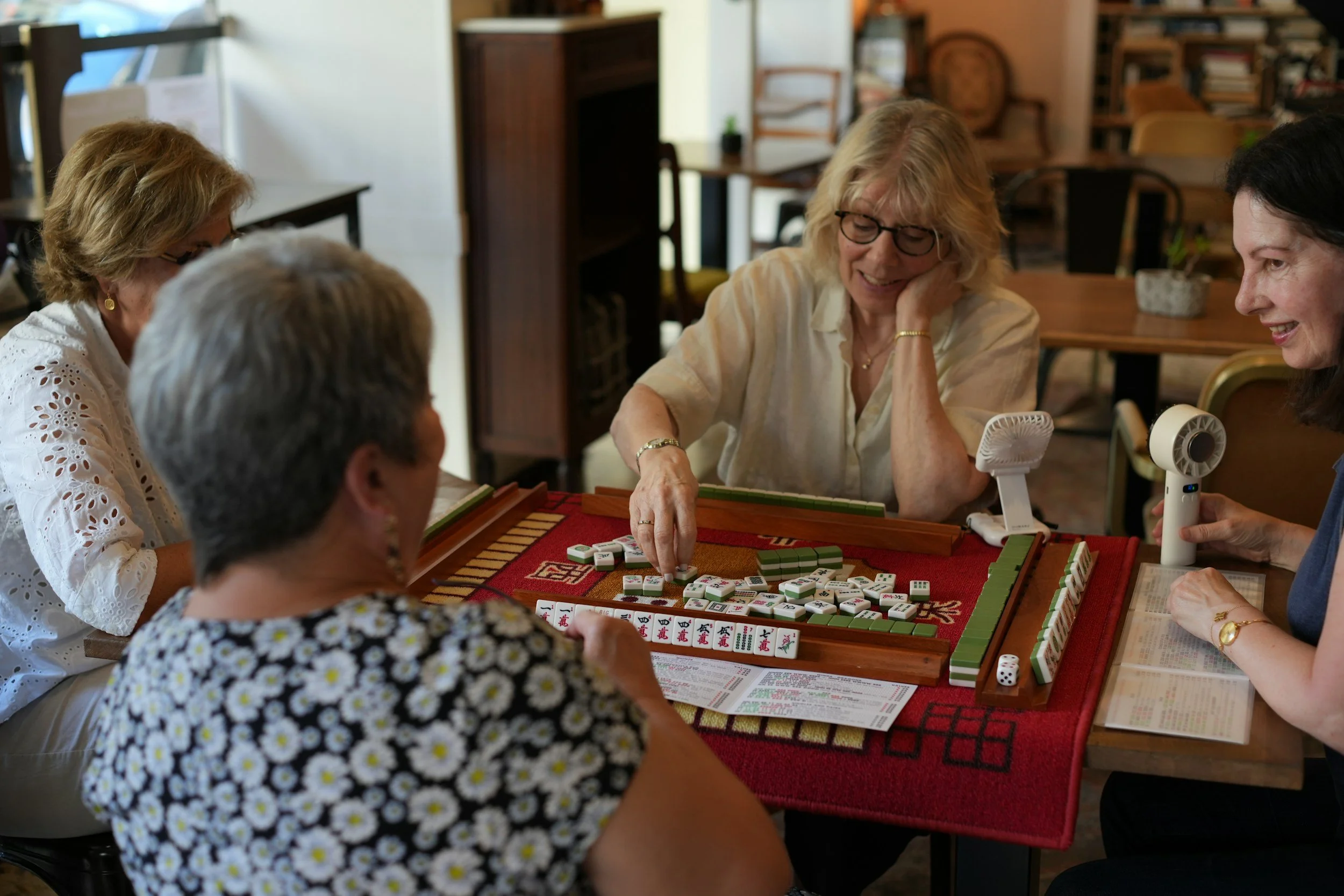
A great way to keep connected and keep your mind sharp.
As we age, many of us worry about maintaining our mental sharpness and cognitive abilities. The good news is that recent neuroscience research continues to support what many have long suspected: staying mentally active may be one of our best defenses against cognitive decline and dementia.
The Science Behind Mental Exercise
Think of your brain like a muscle – the more you use it, the stronger it becomes. When we engage in mentally stimulating activities, we're essentially giving our brains a workout. This cognitive exercise helps build what researchers call "cognitive reserve" – essentially a buffer that helps our brains maintain function even when faced with age-related changes or disease.
What Counts as Mental Activity?
Mental stimulation doesn't have to be complicated or academic. Research shows that a variety of activities can provide cognitive benefits:
Learning-Based Activities:
Reading books, newspapers, or magazines
Learning a new language or musical instrument
Taking classes or pursuing new hobbies
Engaging with puzzles, crosswords, or brain games
Social Engagement:
Having meaningful conversations
Participating in group activities or clubs
Volunteering in your community
Playing games with friends or family
Creative Pursuits:
Writing, drawing, or crafting
Cooking new recipes
Gardening
Playing strategy games
The Protective Power of Lifelong Learning
What's particularly encouraging about recent research is that it's never too late to start. Whether you're 50 or 80, engaging in new mental challenges can help build cognitive resilience. The key is consistency and variety – mixing different types of mental activities seems to provide the greatest benefit.
Building Mental Activity into Daily Life
Incorporating brain-boosting activities into your routine doesn't require a complete lifestyle overhaul:
Start small: Replace some passive activities (like watching TV) with more engaging ones
Mix it up: Alternate between different types of mental challenges
Make it social: Combine mental stimulation with social interaction when possible
Stay curious: Approach new experiences with an open mind
The Bigger Picture
While mental activity is incredibly important, it's just one piece of the brain health puzzle. A holistic approach to cognitive wellness also includes:
Regular physical exercise
Quality sleep
Stress management
Social connections
A healthy diet
Hope for the Future
This research offers hope and empowerment. While we can't control all risk factors for dementia, we can take active steps to support our brain health throughout our lives. Every crossword puzzle solved, book read, or new skill learned is an investment in our cognitive future.
The message is clear: keeping our minds active and engaged isn't just enjoyable – it's one of the most powerful tools we have for maintaining cognitive health as we age. So pick up that book, start that conversation, or try that new hobby.
Your future self will thank you.
