

The Link Between Mental Health and Metabolic Health
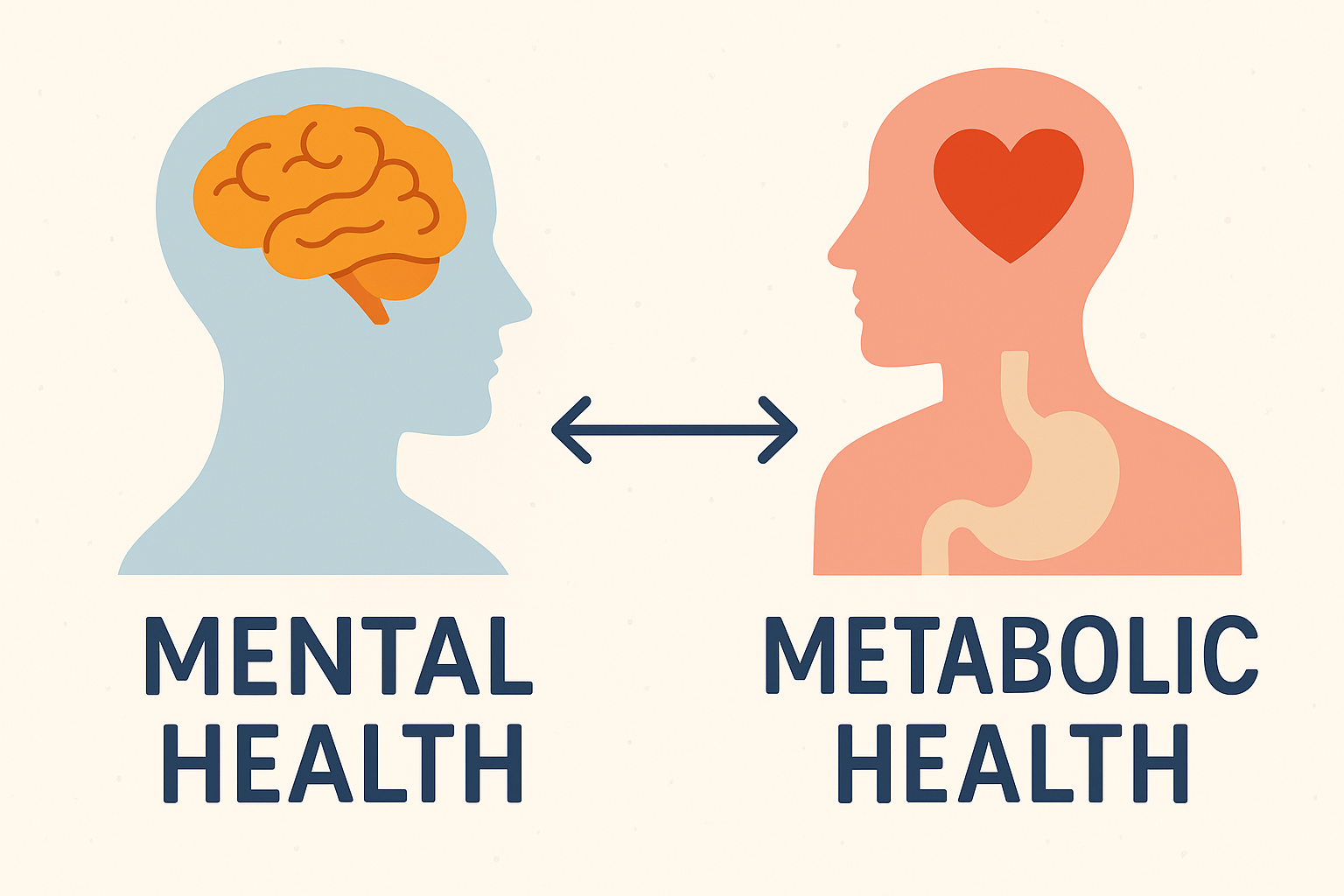
In recent years, science has revealed what many holistic practitioners have long understood: mental health and metabolic health are deeply interconnected. Far from existing in separate systems, the mind and body constantly communicate with one another. When one is out of balance, the other is often affected.
What Is Metabolic Health?
Metabolic health refers to how well the body processes energy and maintains stable blood sugar, blood pressure, cholesterol, and weight. Good metabolic health supports energy, hormonal balance, and resilience against chronic illnesses such as diabetes, heart disease, and obesity.
How Metabolism Affects Mental Health
When the body struggles to regulate blood sugar, inflammation, or hormones, the brain is among the first systems to feel the impact. Some of the most common ways metabolic dysfunction influences mental health include:
Blood sugar fluctuations and Insulin Resistance: Rapid spikes and crashes can trigger mood swings, anxiety, irritability, and brain fog. The brain is run primarily by glucose, and frequent spikes directly affect mental health.
Inflammation: Chronic low-grade inflammation, often linked to poor diet or stress, is associated with depression and cognitive decline.
Hormonal imbalances: Insulin resistance, thyroid dysfunction, and cortisol dysregulation can increase vulnerability to anxiety, depression, and fatigue.
How Mental Health Affects Metabolism
The connection runs both ways. Mental and emotional stress can directly influence metabolic health:
Stress and cortisol: Chronic stress raises cortisol, which can disrupt sleep, increase cravings for sugar and refined carbs, and promote weight gain. This can affect the Hypothalamic–Pituitary–Adrenal axis (HPA axis) and is directly linked to adrenal, thyroid, and sex hormone imbalances.
Emotional eating: Anxiety and depression may lead to using food for comfort, which can undermine metabolic balance.
Sleep disruption: Poor sleep, often linked to mental health struggles, impairs insulin sensitivity and increases risk for metabolic syndrome.
The Gut-Brain-Metabolism Connection
One of the most fascinating discoveries in this field is the role of the gut-brain axis. The gut microbiome influences both metabolic processes and mood regulation through neurotransmitter production, inflammation pathways, and nutrient absorption. Supporting gut health through nutrition and lifestyle changes can therefore benefit both mind and body.
Building Resilience in Both Systems
The good news is that by addressing one area, you often strengthen the other. Some effective approaches include:
Balanced nutrition: Whole foods, steady blood sugar, and anti-inflammatory choices support both brain function and metabolism.
Mindfulness and stress reduction: Practices like meditation and breathwork regulate cortisol and improve emotional resilience.
Movement: Regular physical activity boosts mood-enhancing neurotransmitters while improving insulin sensitivity and metabolic strength.
Therapy and support: Counseling helps reduce emotional burdens that can drive stress eating, poor sleep, or inconsistent self-care.
What you should remember…
Mental health and metabolic health are two sides of the same coin. When we nurture both, we not only reduce symptoms but create lasting vitality and resilience. Through integrative approaches—blending psychotherapy, nutrition, mindfulness, and body-based interventions—you can create a stronger foundation for both emotional well-being, physical health and longevity.
📍 Tara Trebesch, ACMHC, CN, IHP, CFA
Integrative Health & Psychotherapy
Park City, Utah | taratrebesch.com
